VOLUME 41
SAGA
Arita Porcelain, Yoshinogari Ruins & Yutoku Inari Shrine
Japanese porcelain begins here. In 1616, a Korean potter named Ri Sampei found kaolin at Izumiyama, in the hills behind Arita, and the first true porcelain ever fired in Japan came out of the kilns the following decade. Four hundred years on, the valley still works: Arita's sometsuke under clear glaze, the gold and iron-red overglaze of Imari, the secret Nabeshima kilns at Okawachiyama tucked up a side ravine, the rougher iron-brushed pine of Karatsu ware on the north coast. The walls of the old kiln lanes are built from broken saggars and firebricks, called tonbai. South of the porcelain hills, the land sinks toward the Ariake Sea, which has the largest tidal range of any sea in Japan; at low water mudskippers cross the mud, and the vermillion Yutoku Inari shrine stands on tall stilts above a forested cliff. The middle of the prefecture is rice plain, broken each November by the canopies of the Saga International Balloon Fiesta, the largest in Asia, rising at first light over the Kase River. Forty pages of this: a translucent squid on a Yobuko platter, a tea bowl brushed with pine, a thousand-year camphor at Takeo, a watchtower at Yoshinogari. Begin anywhere.
“Forty pages from the valley where porcelain began.”
- 40 original Saga Prefecture illustrations
- Single-sided pages to prevent bleed-through
- 8.5 x 8.5 inch square format
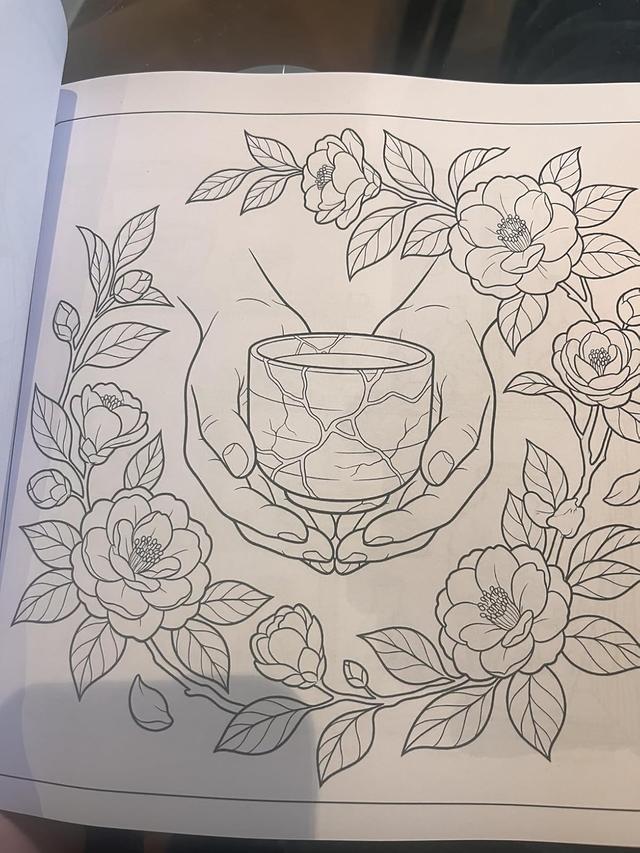
- A mix of detailed and breathable compositions, from kiln lanes and shrine stilts to flat-bottomed boats on tidal mud
- Brief editorial introduction to Saga
- Anyone with an interest in Japan, its crafts, and its Kyushu landscapes
- Adults who use coloring for relaxation, quiet focus, and detailed line art
- A considered gift for friends and family with a love of Japan, Japanese ceramics, or Kyushu travel
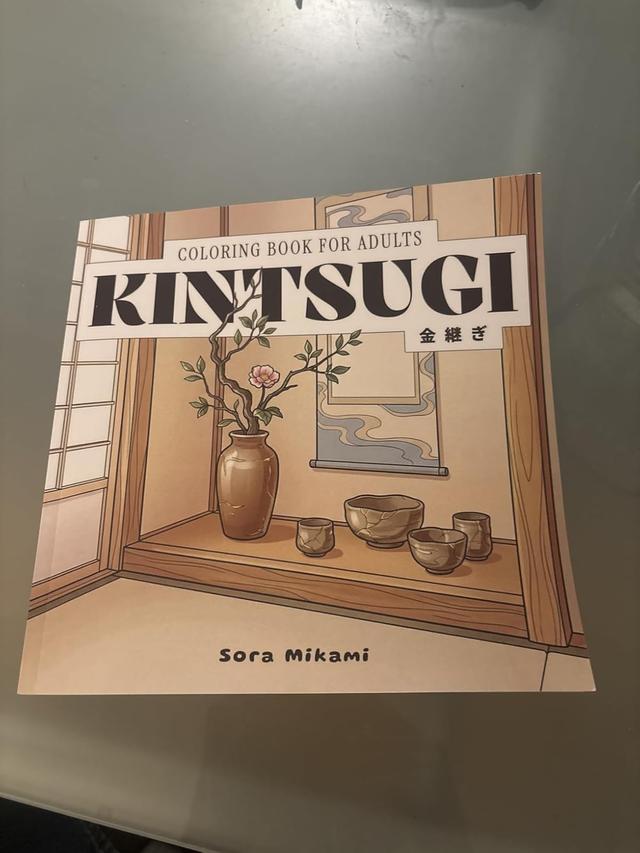
The Saga coloring book is Volume 41 of Sora Mikami's Prefectures of Japan series, a 47-volume collection that explores Japan one prefecture at a time. It gathers 40 original black-line illustrations of Saga. It draws on Arita Porcelain, Yoshinogari Ruins, and Yutoku Inari Shrine, alongside the everyday scenes Saga considers its own.
You will find Arita Porcelain, Yoshinogari Ruins, and Yutoku Inari Shrine, together with the landmarks, food, and quiet corners that give Saga its character. The compositions move between detailed, intricate pages and calmer, more breathable ones, so there is something for every mood.
Yes. The book mixes detailed illustrations with more open, breathable designs, so beginners and experienced colorists alike can settle in. The large 8.5 x 8.5 inch square pages give you plenty of room to work, and every page is printed single-sided.
Colored pencils, markers, and gel pens all work beautifully. Because every illustration is printed single-sided on white paper, you can use heavier media without bleed-through onto another design. Slip a sheet of card behind the page if you want to be sure.
It is Volume 41 of a planned 47, one book for every Japanese prefecture. The volumes can be coloured in any order, and together they sketch the whole country one place at a time. Saga sits in the Kyushu & Okinawa region of Japan.